What BIAE say they do
BIAE’s Memorandum and Articles of Association outlines clearly how BIAE should be run and governed.
According to this document, BIAE exist to:
- ‘support and protect the character, status and interests of the profession of Electrolysis’.
- ‘support and procure improvements in the law affecting or relating to… Electrolysis’.
The beauty industry needs better regulation so that experiences like mine can be avoided. But, I cannot find any information on what BIAE actually does to help make this happen. What is BIAE doing to make the beauty industry more regulated so that consumers are better protected?
This document also reveals that out of all the membership categories (full, fellowship, honorary, non-practicing and retired) only full members must pass the assessment and exam.
Only full members have to do the assessment but the BIAE board can waive this requirement at their discretion.
The public has no way of finding out:
- The type of membership a BIAE member has.
- Whether the BIAE member was required to complete an entrance exam/assessment.
- If board members waived the assessment requirement for a member, and why this requirement was waived.
BIAE uses their ‘strict’ entrance exams and assessments to reassure the public that their members have passed their ‘rigorous’ checks and meet their ‘high’ standards. But, we have no way to know whether the BIAE member we use has even sat the exam.
In their correspondence to me, BIAE repeatedly state that they are unable to accept my complaint but their memorandum and articles of association says otherwise.
According to the document, BIAE board members have the power to ‘consider or adjudicate on any complaint’.
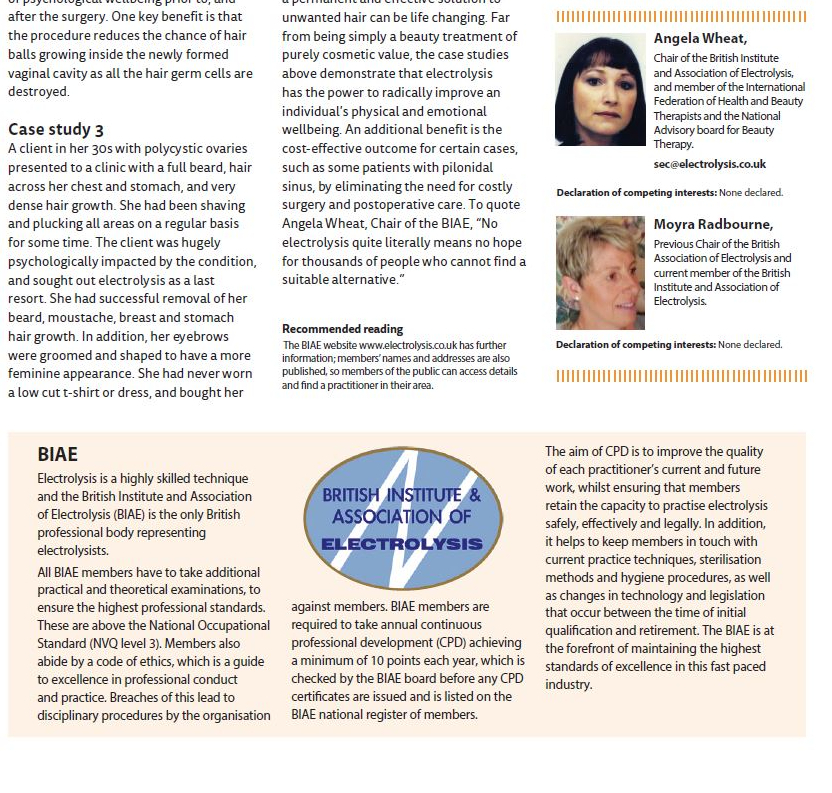
Even in journals written by BIAE board members they state that breaches of their code of ethics ‘lead to disciplinary procedures by the organisation against members’.
There is nothing written in the memorandum or the journal that states that BIAE can only accept complaints about their members from other members.
Why is there so much inconsistency in what BIAE tells me privately, what they say on their website and what they have written in their incorporation documents?
Are BIAE removing transparency?
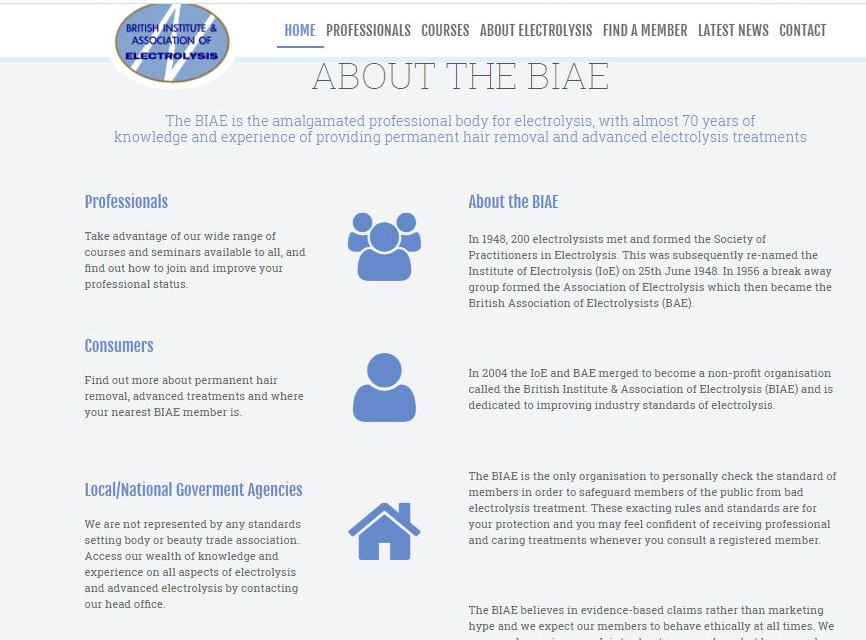
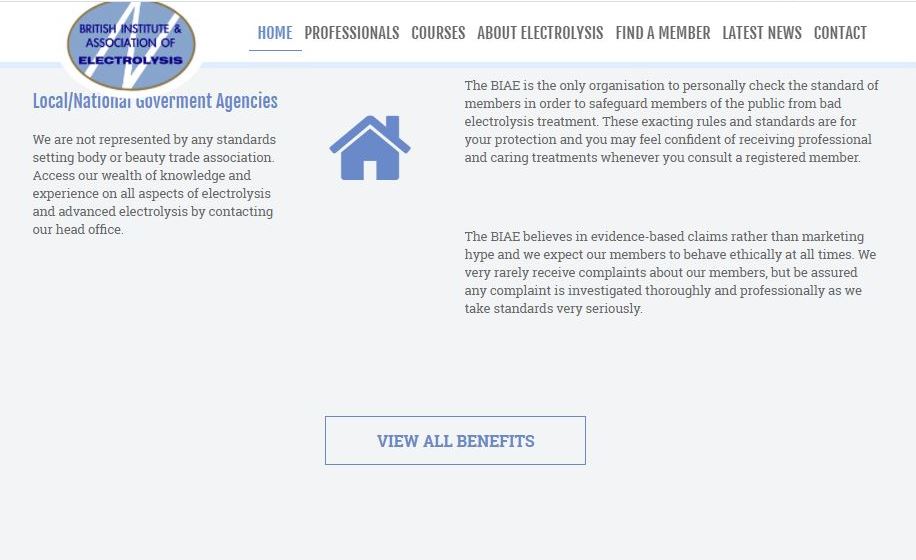
In the past, BIAE’s website gave more information about electrolysis and was more transparent in terms of outlining their roles and responsibilities. Their current website is a very vague stripped back version of the earlier versions of their website where they had more accountability.
- Why is there more useful information for the public on older versions of the BIAE website than there is on the current one?
- Why has BIAE removed helpful information about electrolysis and how it can help trans people and those with PCOS and hirsutism?
- Why has the following information been removed from their website? Do they not want the public to know that they have a right to complain about BIAE members?
- What other important information has BIAE removed? And why?
Where are BIAE’s codes, rules and policies?
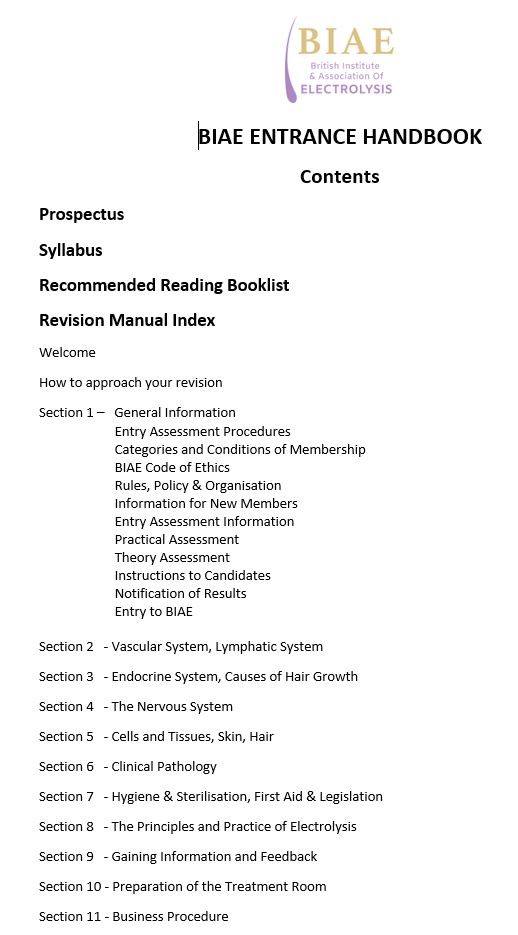
In the BIAE entrance handbook for potential members they include the following information:
- Categories and Condition of Membership
- BIAE Code of Ethics
- Rules, Policy & Organisation
Most organisations make information like this publicly available. It forms a part of their organisational aims and objectives.
- Why can I not find these standards or code of ethics anywhere on their website? Why do BIAE not make this information public?
- How does the public find out what these high standards are? If we do not know what their standards, code of ethics or organisational rules are, then how can we hold them accountable when these are broken?
- Why do BIAE allude to having very high standards (which they supposedly enforce) to entice the public into using BIAE members when we, the public, cannot verify this in any way?
- When was the last time BIAE even disciplined a member?
- Why did BIAE not even refer to any of these documents in their correspondence to me?
- Are BIAE intentionally withholding this important information in order to shirk their responsibility as a professional body?

 Safe Electrolysis